Summary
Difference between jehovah witness and christianity
Difference between jehovah witness and christianity
The Great Divide: A Comprehensive Analysis of the Differences Between Jehovah’s Witnesses and Mainstream Christianity
In the vast landscape of global religion, few topics generate as much inquiry, confusion, and theological debate as the distinction between Jehovah’s Witnesses and mainstream Christianity. To the casual observer, the two groups appear remarkably similar. Both revere the Bible, both pray to the God of Abraham, both center their faith on Jesus Christ, and both are known for their zeal in evangelism. However, beneath the surface of shared vocabulary lies a chasm of theological difference that is both deep and wide.
This comprehensive guide aims to be the definitive resource on this subject. It is not designed to attack or ridicule, but rather to provide a clear, objective, and detailed theological comparison. By exploring the nature of God, the identity of Jesus, the concept of the afterlife, and the authority of Scripture, we will unravel the complex tapestry that separates the Watchtower Bible and Tract Society from the historic Christian church.
Part 1: The Foundational Rift – The Nature of God
To understand the divergence between Jehovah’s Witnesses and mainstream Christianity, one must begin with the most fundamental concept of all: The nature of the Divine. This is the primary point of separation from which all other differences flow.
The Christian View: The Holy Trinity Mainstream Christianity—encompassing Roman Catholicism, Eastern Orthodoxy, and Protestantism—is defined by its adherence to the doctrine of the Trinity. This doctrine holds that there is only one God, but that this one God exists eternally in three distinct Persons: God the Father, God the Son (Jesus Christ), and God the Holy Spirit. These three are co-equal, co-eternal, and consubstantial (of the same substance). For Christians, the Trinity is not a contradiction, but a divine mystery revealed through Scripture. They argue that throughout the Bible, the Father is called God, Jesus is called God, and the Spirit is called God, yet the Bible affirms God is One. Therefore, the Trinity is the theological framework that harmonizes these truths.
The Jehovah’s Witness View: Strict Monotheism Jehovah’s Witnesses vehemently reject the Trinity. They view it as a pagan concept imported into Christianity during the fourth century, specifically at the Council of Nicaea. For a Jehovah’s Witness, God is a single person: the Father, whose personal name is Jehovah. They emphasize the Shema of the Old Testament: “The Lord our God is one Lord.” To them, Jesus is the Son of God, but he is not God Almighty; he is a separate, created being. The Holy Spirit is not a person at all, but rather God’s “active force,” comparable to electricity or a radio wave that God uses to accomplish his will. This strict unitarian view fundamentally alters their worship, as they worship Jehovah alone and view the worship of Jesus or the Spirit as idolatry.
Part 2: The Identity of Jesus Christ – Creator or Creature?
The identity of Jesus is perhaps the most emotional and critical point of contention. While both groups love and follow Jesus, they are essentially following two different beings.
The Christian Jesus: The Incarnate Word For historic Christianity, Jesus is the second Person of the Trinity. He is uncreated and eternal. As stated in the Nicene Creed, he is “God from God, Light from Light, true God from true God, begotten, not made.” Christians believe that in the Incarnation, God himself entered human history. Jesus possesses two natures: fully divine and fully human. This is crucial for the Christian view of the Atonement; only God could offer a sacrifice of infinite value to pay for the sins of the world. Christians pray to Jesus and worship him, citing instances in the New Testament where the disciples and angels offer him worship (Revelation 5:13-14).
The Jehovah’s Witness Jesus: Michael the Archangel Jehovah’s Witnesses teach that Jesus is a created being. He was the very first creation of Jehovah, originally created as Michael the Archangel. Through him, God created everything else. When Jesus was born on earth, his life force was transferred from heaven to Mary’s womb, and he became a perfect human man—no longer an angel, and certainly not God. After his death, he was resurrected not as a human, but as a spirit creature, once again resuming his identity as Michael the Archangel. For Witnesses, Jesus is a “god” (a mighty one), but not the God. He is the Mediator and the Ransomer, but he is subordinate to the Father in essence, not just in role.
Part 3: The Afterlife – Heaven, Hell, and the Soul
The destiny of the human soul is another area where the two theologies diverge sharply. The differences here affect how life is lived and how death is grieved.
The Christian View: Immortal Soul and Eternal Destination Mainstream Christianity generally teaches that human beings possess an immortal soul or spirit that survives the death of the physical body. Upon death, the soul faces judgment. Those who are saved by faith in Christ enter into the presence of God (Heaven/Paradise), while those who reject God enter a state of separation or punishment (Hell). While views on the nature of Hell vary (eternal conscious torment vs. separation), the consensus is that the soul continues to exist. Christians also look forward to a future bodily resurrection and a New Earth, but the continuity of consciousness after death is a standard belief.
The Jehovah’s Witness View: Soul Sleep and Annihilation Jehovah’s Witnesses believe that the “soul” is not something you have, but something you are. When the body dies, the soul ceases to exist. They do not believe in an immortal soul. Consequently, they do not believe in Hell. They view the doctrine of eternal torment as unbiblical and a slander against a loving God. Instead, the wicked simply face “annihilation”—total non-existence. It is like a dreamless sleep from which one never wakes.
The Two-Class System of Salvation Furthermore, Jehovah’s Witnesses have a unique view of heaven. They believe that only a limited number of humans—specifically 144,000 “anointed” Christians—will go to heaven to rule with Christ as kings and priests. This number is taken literally from the book of Revelation. For the vast majority of faithful Jehovah’s Witnesses (the “Great Crowd”), their hope is not heaven, but “Paradise Earth.” They believe they will be resurrected to live forever on a restored, Eden-like earth in perfect physical health. This earthly hope is the primary motivator for their evangelism.
Part 4: The Authority of Scripture and Translation
Both groups claim the Bible as their sole authority, yet they read very different books due to translation differences and interpretive authority.
The Christian Approach: Diverse Translations and Hermeneutics Mainstream Christianity utilizes a variety of Bible translations (NIV, ESV, KJV, NASB) that are translated by interdenominational committees of scholars from the original Hebrew, Aramaic, and Greek. While traditions vary, Christians generally rely on the grammatical-historical method of interpretation. They view the Bible as the final authority, but they also respect the historical creeds and councils of the early church as guardrails against heresy.
The Jehovah’s Witness Approach: The New World Translation Jehovah’s Witnesses rely almost exclusively on their own translation, the New World Translation of the Holy Scriptures (NWT). Mainstream scholars have heavily criticized the NWT for altering texts to fit Watchtower theology.
-
John 1:1: Most Bibles read, “and the Word was God.” The NWT reads, “and the Word was a god,” to denote Jesus as a created being.
-
Colossians 1: The NWT inserts the word “other” four times (e.g., “created all other things”) to imply Jesus was created first, even though the word “other” is not in the Greek text.
-
Jehovah in the New Testament: The NWT inserts the name “Jehovah” into the New Testament 237 times, replacing “Lord” (Kurios), even where the text refers to Jesus, blurring the lines or changing the meaning of passages that Christians believe identify Jesus as Yahweh. Furthermore, Witnesses believe that the Bible can only be correctly interpreted by the “Governing Body,” a group of elders in New York who serve as the “Faithful and Discreet Slave.” Independent Bible study that contradicts the Governing Body is strictly forbidden.
Part 5: Cultural and Lifestyle Differences
The theological differences manifest in distinct lifestyle choices that make Jehovah’s Witnesses visibly different from their Christian neighbors.
Holidays and Celebrations Jehovah’s Witnesses do not celebrate Christmas or Easter, viewing them as having pagan origins that are displeasing to God. They also do not celebrate birthdays, citing that the only birthday celebrations mentioned in the Bible (Pharaoh and Herod) ended in murder. Mainstream Christians, while acknowledging the pagan timing of some holidays, view them as redeemed celebrations of the life of Christ and liberties of the conscience.
Nationalism and Politics Jehovah’s Witnesses maintain strict political neutrality. They do not vote, run for office, salute the flag, or sing national anthems. They view themselves as citizens of God’s Kingdom solely and believe that all earthly governments are under the influence of Satan. Mainstream Christians are encouraged to be good citizens, which often includes voting, military service, and civic engagement.
The Blood Ban One of the most controversial practices is the Jehovah’s Witness refusal of blood transfusions, even in life-threatening situations. They base this on a literal interpretation of Acts 15:29, “abstain from… blood.” Christians interpret this passage as a dietary restriction relevant to the early church context, not a medical prohibition, and generally view blood donation and transfusion as acts of life-saving mercy.
Part 6: The Mechanism of Salvation
How is a person saved? This is the ultimate question of faith, and the answers here highlight the divergence between Grace and Works.
Christianity: Sola Fide (Faith Alone) While theology varies between Catholic and Protestant, the general Christian consensus is that salvation is a gift of grace. Human beings are sinful and cannot earn their way to heaven. Salvation was accomplished by Christ on the cross. The believer receives this salvation through faith. Good works are the result of salvation, not the cause or payment for it. The security of the believer rests in the finished work of Christ.
Jehovah’s Witnesses: Faith plus Obedience For a Jehovah’s Witness, faith in Jesus’ ransom sacrifice is necessary, but it is not sufficient. Salvation requires “exercising faith,” which is interpreted as active obedience to the teachings of the Watchtower Society. This includes regular participation in “field service” (door-to-door ministry), attending meetings, and remaining loyal to the organization. Salvation is not a guaranteed state but a possibility that must be maintained through endurance until the end. There is a heavy emphasis on performance and “publishing” the good news as a requirement for survival at Armageddon.
Part 7: The Structure of the Church
The organizational structure reveals how authority flows within these groups.
Christianity: Decentralized Diversity “Christianity” is an umbrella term for thousands of denominations. There is no single human leader (except for the Pope in Catholicism). Authority is usually distributed among pastors, bishops, elders, and congregations. There is room for disagreement on non-essential doctrines.
Jehovah’s Witnesses: Centralized Theocracy Jehovah’s Witnesses are a tight-knit, hierarchical organization. The headquarters in Warwick, New York, directs the teaching for every congregation worldwide. All Kingdom Halls study the same material on the same week. Dissent is not tolerated. A member who openly questions the core doctrines or the authority of the Governing Body can be “disfellowshipped” (excommunicated), resulting in total shunning by friends and family members within the faith. This shunning practice is a powerful mechanism for maintaining conformity.
Part 8: The Cross vs. The Torture Stake
A visual difference that often surprises people involves the symbol of Christianity.
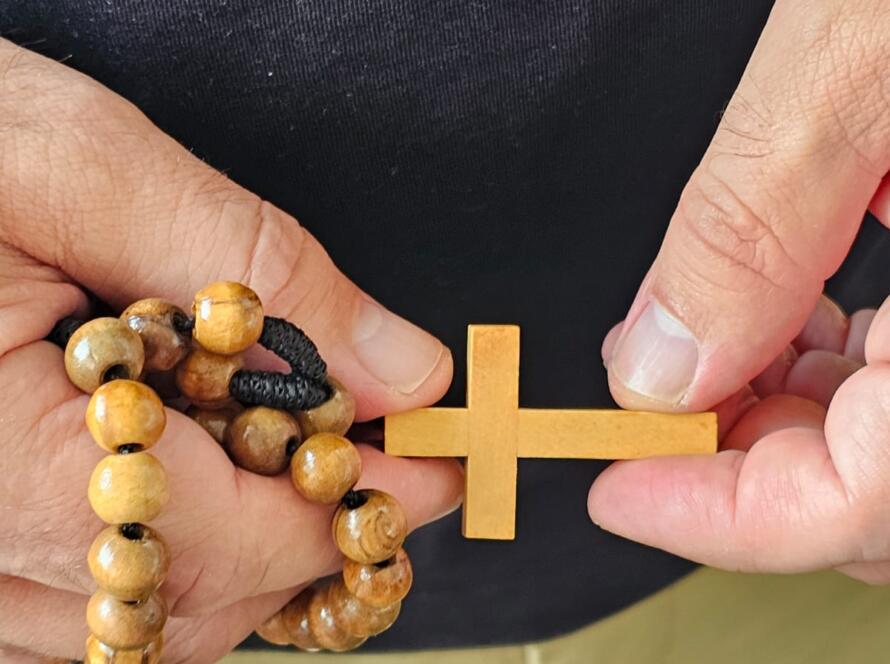
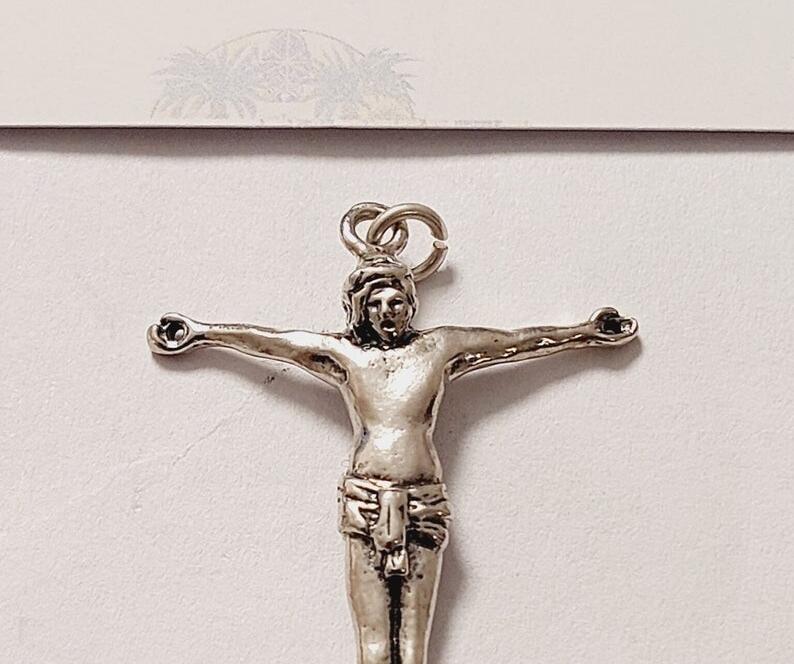
Christianity: The Cross For 2,000 years, the cross has been the universal symbol of the faith, representing the redemptive death of Jesus. Archaeological evidence and historical records support the Roman use of the cross (stauros) with a crossbeam (patibulum).
Jehovah’s Witnesses: The Torture Stake Witnesses believe Jesus died on a single upright pole, or “torture stake,” without a crossbeam. They view the cross as a pagan phallic symbol adopted by Christendom. Therefore, they do not use the cross in worship, do not wear it, and their Kingdom Halls are devoid of religious iconography.
Part 9: The Use of the Name of God
Finally, the emphasis on the name of God sets Witnesses apart.
Christianity: Father, Son, and Spirit Christians acknowledge Yahweh (or Jehovah) as the name of God, but in the New Testament era, they follow Jesus’ example of referring to God primarily as “Father” (Abba). They emphasize the relational aspect of God over the ritualistic use of his proper name.
Jehovah’s Witnesses: The Divine Name Witnesses believe that the removal of God’s name, Jehovah, from Bible translations is a corruption. They believe that using the name Jehovah is essential for salvation. They see themselves as the people “called by his name” (Acts 15:14) and view the vindication of Jehovah’s sovereignty as the primary theme of the Bible, even more so than the salvation of humanity.
Conclusion: Two Different Faiths
While Jehovah’s Witnesses and mainstream Christians share a common heritage and many moral values, a deep dive into their theology reveals that they are fundamentally different religions operating under similar terminology.
Mainstream Christianity is defined by the Trinity, the full Deity of Christ, the Personhood of the Holy Spirit, and salvation by grace. It is a faith of mystery and inclusion, rooted in the historical consensus of the early church.
Jehovah’s Witnesses offer a rationalistic, unitarian theology that rejects the mysteries of the Trinity in favor of a strict hierarchy where Jesus is a created archangel and the Spirit is a force. It is a high-control group that emphasizes works, obedience to a central organization, and a distinctive hope for an earthly paradise.
Understanding these differences is vital for respectful dialogue. Whether one views the other as a “mission field” or simply a neighbor with different beliefs, clarity on these points prevents the confusion that arises when the same words—God, Jesus, Salvation—are used to mean entirely different things.
Frequently Asked Questions (FAQ) About Jehovah’s Witnesses and Christianity
To further clarify the nuances between these two groups, here are the most commonly asked questions regarding their differences and interactions.
Q1: Are Jehovah’s Witnesses Christians? A: The answer depends on who you ask and how you define “Christian.” Jehovah’s Witnesses emphatically say “Yes,” because they follow the teachings of Jesus Christ and view him as their Savior and the Son of God. However, mainstream Christians (Catholic, Protestant, Orthodox) generally say “No,” in the theological sense. This is because the historical definition of a Christian is defined by the Nicene Creed, which asserts that Jesus is God. Because Witnesses reject the deity of Christ and the Trinity, they fall outside the bounds of historic Christian orthodoxy, often being classified as a “pseudo-Christian” or “restorationist” cult by theologians.
Q2: Do Jehovah’s Witnesses believe in Hell? A: No. This is a major difference. JWs believe that the doctrine of hellfire is a lie created to scare people. They teach that the “wage of sin is death” (Romans 6:23), meaning simply the cessation of life. For the wicked, there is no eternal conscious torment; there is only annihilation—total destruction and non-existence. They believe God is love and would never torture his creation.
Q3: Why do Jehovah’s Witnesses knock on doors? A: Evangelism is a requirement for salvation in their theology. They believe we are living in the “Last Days” and that Armageddon is imminent. Their door-to-door ministry is an act of separating the “sheep from the goats.” They believe they must warn their neighbors to save them from destruction. It is also a way to demonstrate their loyalty and obedience to Jehovah and the Watchtower organization.
Q4: Can Jehovah’s Witnesses drink alcohol? A: Yes. Unlike Mormons or some Baptists, Jehovah’s Witnesses are allowed to drink alcohol in moderation. The Bible condemns drunkenness, not drinking, and they adhere to this strictly. Being known as a drunkard is a serious offense that can lead to judicial action within the congregation, but a glass of wine or beer is perfectly acceptable.
Q5: Why don’t Jehovah’s Witnesses celebrate birthdays or Christmas? A: They practice the “Regulative Principle” of worship—if the Bible doesn’t command it, or if it has pagan roots, they avoid it. They point out that early Christians did not celebrate Jesus’ birthday and that the date of December 25th was borrowed from Roman pagan festivals (Saturnalia). Regarding birthdays, they note that the only two birthday celebrations in the Bible (Pharaoh and Herod) involved executions, leading them to view the practice as pagan and self-glorifying.
Q6: What happens if a Jehovah’s Witness leaves the religion? A: If a baptized Witness formally leaves or is “disfellowshipped” (excommunicated) for unrepentant sin, they face “shunning.” This means current members, including parents, siblings, and children (unless living in the same home), will cut off all social contact with them. They will not speak to them, text them, or eat with them. This is intended to shame the person into repentance, but it often causes deep psychological trauma and destroys families.
Q7: Do Jehovah’s Witnesses pray to Jesus? A: No. They believe prayer is an act of worship that belongs to Jehovah God alone. However, they pray in the name of Jesus. They view Jesus as the Mediator and High Priest through whom access to the Father is granted, but they do not direct their prayers or worship to him personally.
Q8: Who is the Archangel Michael to Jehovah’s Witnesses? A: They believe that “Michael” is the heavenly name of Jesus. They teach that before he was born as a human, he existed as Michael the Archangel. After his resurrection and ascension to heaven, he resumed his identity as Michael. They argue that the Bible only mentions one “Archangel,” and the authority given to Michael in Jude and Revelation matches the authority given to Christ.
Q9: Is the Watchtower Society the same as Jehovah’s Witnesses? A: Essentially, yes. The Watchtower Bible and Tract Society is the primary legal corporation used by Jehovah’s Witnesses to print literature and organize their work. The religion acts under the direction of the “Governing Body,” which operates out of the Watchtower headquarters. To be a Witness in good standing is to be in submission to the Watchtower Society.
Q10: What do they believe about the end of the world? A: They believe we are living in the “Time of the End” which began in 1914 (when they believe Jesus began ruling invisibly in heaven). They expect “Armageddon” to occur very soon. This will be a war where God destroys all human governments and all false religions (including Christendom). Only faithful Jehovah’s Witnesses will survive to inhabit a cleansed “Paradise Earth,” where sickness and death will be no more.