Summary
Reconciliation
Reconciliation
The Bridge Back to Unity: A Comprehensive Guide to Reconciliation
In a world defined by fragmentation—political polarization, broken families, social isolation, and spiritual drifting—there is perhaps no concept more urgent or more healing than Reconciliation. It is a word that hums with the promise of peace. It suggests that what is broken can be fixed, that what is severed can be reattached, and that enemies can become friends.
Reconciliation is the heartbeat of the Christian faith, the goal of international diplomacy, and the desperate hope of every estranged relationship. But what does it actually mean? Is it simply “making up”? Or is it a profound theological and psychological process that requires heavy lifting?
This comprehensive guide aims to explore the multi-dimensional world of Reconciliation. We will traverse its theological roots in the Atonement, its sacramental expression in the church, the psychology of apology and forgiveness, and the hard, practical work of rebuilding trust between human beings. This article is optimized to be the definitive resource for understanding how we find our way back to one another and to God.
Part 1: The Theology of Return – Vertical Reconciliation
To understand reconciliation, we must start at the source. In Christian theology, the fundamental problem of human existence is “estrangement.” The narrative of Genesis describes a humanity that was once in perfect garden communion with the Creator but was exiled due to sin. This created a gap—an ontological and relational chasm—between the Holy God and fallen man.
The Ministry of Reconciliation The central claim of the New Testament is that God did not leave humanity in this state of estrangement. The Apostle Paul provides the definitive theological definition in 2 Corinthians 5:18-19: “All this is from God, who reconciled us to himself through Christ and gave us the ministry of reconciliation: that God was reconciling the world to himself in Christ, not counting people’s sins against them.”
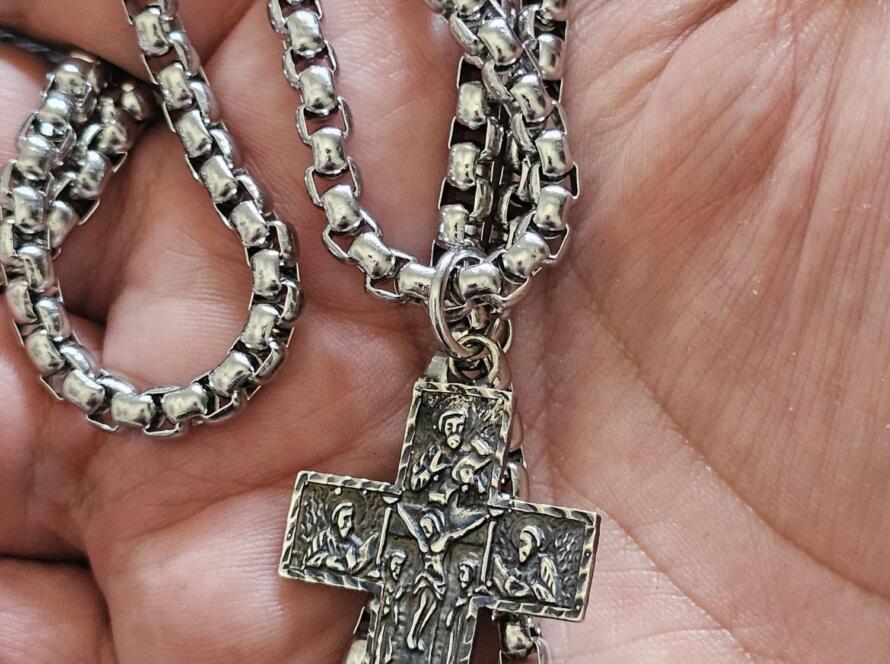
Here, reconciliation is not a human achievement; it is a divine initiative. Humans did not climb up to God to apologize; God came down to humanity to restore the bond. The Cross is viewed as the mechanism of this reconciliation—the bridge that spanned the chasm.
The Result: Peace The theological result of reconciliation is “Peace with God” (Romans 5:1). It changes the status of the human being from “enemy” to “friend,” and from “orphan” to “child.” This vertical reconciliation is the prerequisite and the fuel for all horizontal reconciliation (between people).
Part 2: The Sacrament of Reconciliation – Healing the Wound
In the Roman Catholic and Orthodox traditions, the abstract theological concept of reconciliation is made concrete in a Sacrament. While formerly emphasized as “Penance” (focusing on the punishment) or “Confession” (focusing on the accusation), the Church now emphasizes the title “Sacrament of Reconciliation.”
Why the Name Change? The shift in terminology following the Second Vatican Council was deliberate. “Confession” describes what the sinner does. “Reconciliation” describes what God does. The focus shifted from a juridical courtroom scene to a relational healing scene.
The Encounter In this sacrament, the penitent confronts the barriers they have erected between themselves and God. Sin is viewed not just as breaking a rule, but as breaking a relationship. The absolution given by the priest is the formal, sacramental restoration of that bond. It is the kiss of the Father to the Prodigal Son. It restores the sinner to full communion with the Church, repairing the invisible spiritual damage that personal sin inflicts on the entire Body of Christ.
Part 3: Horizontal Reconciliation – The Repair of Human Relationships
While divine reconciliation is a gift, human reconciliation is a work. It is the grueling, messy process of rebuilding trust between two people after a betrayal.
Forgiveness vs. Reconciliation One of the most critical distinctions in psychology and theology is the difference between forgiveness and reconciliation. They are not the same. Forgiveness is a solo act. It is the internal release of bitterness and the decision to forego revenge. It takes one person to forgive. Reconciliation is a duo act. It is the restoration of trust and the resumption of a relationship. It takes two people to reconcile.
You can forgive someone without reconciling with them (for example, if they are abusive, unrepentant, or deceased). However, you cannot reconcile without forgiveness.
The Architecture of Repair For reconciliation to occur between humans, several pillars must be in place:
-
Truth: The offense must be acknowledged. There can be no reconciliation based on denial or “sweeping it under the rug.”
-
Repentance: The offender must show genuine remorse and a change in behavior.
-
Restitution: Whenever possible, what was taken (money, reputation, security) must be restored.
-
Time: Trust is gained in drops but lost in buckets. Reconciliation is a marathon, not a sprint.
Part 4: Social and Racial Reconciliation
The concept extends beyond individuals to groups. The “Ministry of Reconciliation” entrusted to the church includes breaking down the “dividing walls of hostility” between races, classes, and cultures (Ephesians 2:14).
Truth and Reconciliation Commissions The most famous example of political reconciliation occurred in post-apartheid South Africa. Under the leadership of Desmond Tutu and Nelson Mandela, the nation attempted a unique experiment: offering amnesty in exchange for the full truth. It was based on the principle that a nation cannot reconcile with a past it refuses to acknowledge. While imperfect, it demonstrated that acknowledgement of pain is the first step toward national healing.
In the modern church, racial reconciliation is a major focus. It acknowledges the historical complicity of religious institutions in slavery and segregation and seeks to repair those breaches through dialogue, repentance, and structural change.
Part 5: The Psychology of Apology
Reconciliation is impossible without a proper apology. Psychologists have identified the components of an apology that actually leads to reconciliation. A vague “I’m sorry if you were offended” is not an apology; it is a deflection.
A restorative apology includes:
-
Expression of Regret: “I am sorry.”
-
Explanation of Responsibility: “I was wrong to do X.”
-
Acknowledgment of Impact: “I know this hurt you by…”
-
Planned Change: “Here is how I will ensure this doesn’t happen again.”
-
Request for Forgiveness: “Can you forgive me?”
Part 6: When Reconciliation is Impossible
It is a hard truth that not every relationship can or should be reconciled. Romans 12:18 offers a caveat: “If it is possible, as far as it depends on you, live at peace with everyone.” Sometimes, it does not depend on you. If the other party is abusive, unrepentant, dangerous, or unwilling to engage, reconciliation is impossible. In these cases, the spiritual goal is forgiveness (release) and boundaries (safety), rather than restoration.
Part 7: Conclusion – The Ambassadors
We are living in the “Age of Outrage,” where cutting people off is celebrated and cancelling is the norm. In this cultural climate, the biblical call to be “Ambassadors of Reconciliation” is radical and counter-cultural.
To be a person of reconciliation is to be a bridge-builder in a world of wall-builders. It requires the humility to admit wrong, the courage to confront pain, and the endurance to rebuild trust. It is the hardest work a human being can do, but it is also the most divine. When we reconcile, we are acting out the very plotline of the Gospel: the bringing together of things that were torn apart.
The Great Library of Answers: 3000 Words on Frequently Asked Questions About Reconciliation
To provide the most exhaustive resource available, this section delves into the nuances, the “what-ifs,” and the difficult scenarios surrounding reconciliation. We cover the theological, the psychological, and the practical.
Section 1: The Sacrament and Theology (Catholic/Orthodox Focus)
Q1: Why is the Sacrament called “Reconciliation” now instead of “Confession”? A: The name change reflects a shift in theological emphasis following the Second Vatican Council. “Confession” describes the action of the sinner (speaking the sins). “Penance” describes the act of satisfaction. However, “Reconciliation” describes the effect of the sacrament. It emphasizes God’s action more than the human action. It highlights the restoration of the bond of charity between the soul and God, and the soul and the Church. It frames the sacrament as a celebration of God’s mercy rather than a tribunal of judgment.
Q2: What are the “Effects of Reconciliation” according to the Catechism? A: The Catechism of the Catholic Church lists several specific spiritual effects:
-
Reconciliation with God: The restoration of sanctifying grace and friendship with the Creator.
-
Reconciliation with the Church: Sin damages the community; the sacrament repairs this breach.
-
Remission of Eternal Punishment: The forgiveness of mortal sins that would result in hell.
-
Peace and Serenity of Conscience: The psychological and spiritual relief of the burden of guilt.
-
Spiritual Strength: Grace to resist future temptation.
Q3: Does God reconcile with us, or do we reconcile with God? A: Theologically, God does not move; we do. God never leaves us; we leave Him through sin. However, the initiative for reconciliation always comes from God. We cannot bridge the gap ourselves. As 2 Corinthians 5:19 states, “God was reconciling the world to himself in Christ.” God provides the means (the Cross, the Grace) for us to return. So, God is the architect of reconciliation, and we are the participants who accept it.
Q4: Is General Absolution (reconciliation without individual confession) valid? A: In the Catholic Church, General Absolution is valid only in extreme emergencies where there is imminent danger of death and not enough time for priests to hear individual confessions (e.g., soldiers going into battle, a sinking ship). For the absolution to remain valid, the survivors must resolve to confess their grave sins individually at the earliest opportunity. In normal circumstances, individual, auricular confession is the only ordinary way to be reconciled for mortal sins.
Q5: How does the “Ministry of Reconciliation” apply to laypeople? A: While priests administer the Sacrament, all Christians are given the “Ministry of Reconciliation” (2 Cor 5:18). This means laypeople are called to:
-
Evangelize: Helping others find peace with God.
-
Peacemaking: Actively working to resolve conflicts in their families, workplaces, and communities.
-
Forgiveness: Modeling the forgiveness of Christ in interpersonal relationships.
Section 2: Interpersonal Relationships and Psychology
Q6: What is the difference between Forgiveness and Reconciliation? A: This is the most critical distinction in relationship dynamics.
-
Forgiveness is internal. It is giving up the right to revenge and releasing bitterness. It is a gift you give to yourself and the offender. It is unconditional and can be done unilaterally (by yourself).
-
Reconciliation is external and relational. It is the restoration of trust and the re-establishment of a relationship. It is conditional based on the offender’s repentance and changed behavior. It requires two people. You can forgive an ex-spouse who cheated on you (release the anger), but not reconcile with them (not stay married to them) if trust cannot be restored.
Q7: Can you reconcile without an apology? A: You can have a relationship without an apology (often called “sweeping it under the rug”), but you cannot have true reconciliation. True reconciliation requires a shared reality. Both parties must agree on what happened and that it was wrong. If the offender denies the hurt, the relationship is built on a lie, not on truth. Without an acknowledgment of the wrong (apology), there is no foundation for rebuilding trust.
Q8: How do I know if I should reconcile with a toxic family member? A: Reconciliation with toxic individuals is dangerous and requires discernment. Signs that reconciliation might be possible include:
-
They accept responsibility without shifting blame (“I did X, and it was wrong,” not “I’m sorry you felt hurt”).
-
They respect your boundaries.
-
They show consistent change over time, not just apologies in the moment. If these are absent, you are called to forgive (from a distance) but protecting yourself may mean maintaining estrangement.
Q9: What is “Restorative Justice”? A: Restorative Justice is a theory of justice that focuses on repairing the harm caused by criminal behavior rather than just punishing the offender. It often involves mediation where the victim and offender meet (if safe). The offender hears directly about the impact of their crime, and the victim gets to ask questions. The goal is reconciliation between the offender, the victim, and the community, rather than just incarceration.
Q10: How long does reconciliation take? A: Forgiveness can be an event (a decision made in a moment), but reconciliation is a process. Trust is like a bank account. If someone stole all the money (betrayal), they can pay it back, but it takes a long time to rebuild the balance. In marriages recovering from infidelity, therapists often say it takes 2 to 5 years of active work to truly reconcile and rebuild a new marriage.
Q11: What are the “Languages of Apology”? A: Just as there are Love Languages, Dr. Gary Chapman identified Apology Languages. To reconcile effectively, you need to speak the other person’s language:
-
Expressing Regret (“I am sorry”).
-
Accepting Responsibility (“I was wrong”).
-
Making Restitution (“What can I do to make it right?”).
-
Genuinely Repenting (“I will try not to do this again”).
-
Requesting Forgiveness (“Will you please forgive me?”). If someone needs Restitution but you only give Regret, reconciliation may stall.
Section 3: Biblical and Spiritual Scenarios
Q12: What does the story of Jacob and Esau teach about reconciliation? A: The reunion of Jacob and Esau (Genesis 33) is a masterclass in reconciliation.
-
Time apart: They spent years apart, allowing tempers to cool and maturity to grow.
-
Humility: Jacob approached Esau with humility (bowing), not entitlement.
-
Restitution: Jacob offered gifts, showing he didn’t want to take from Esau.
-
Emotion: They wept together. It shows that even after deep betrayal (stealing the birthright), God can soften hearts and restore brotherhood.
Q13: Does Jesus command us to reconcile with everyone? A: Jesus commands us to seek reconciliation. In Matthew 5:23-24, He says if you are offering a gift at the altar and remember your brother has something against you, leave the gift and “first go and be reconciled to them.” This prioritizes relational peace over ritual observance. However, Paul qualifies this in Romans 12:18: “If it is possible, as far as it depends on you…” Scripture recognizes that sometimes, the other person refuses peace.
Q14: What is the “Ministry of Reconciliation” in 2 Corinthians 5? A: Paul describes the core identity of the Christian. Because God reconciled us to Himself through Christ (removing the barrier of sin), we are now “Ambassadors.” An ambassador represents the King in a foreign land. Our job is to declare the peace treaty: that God is not counting men’s sins against them and invites them to return. It creates a mandate for Christians to be peacemakers in the world.
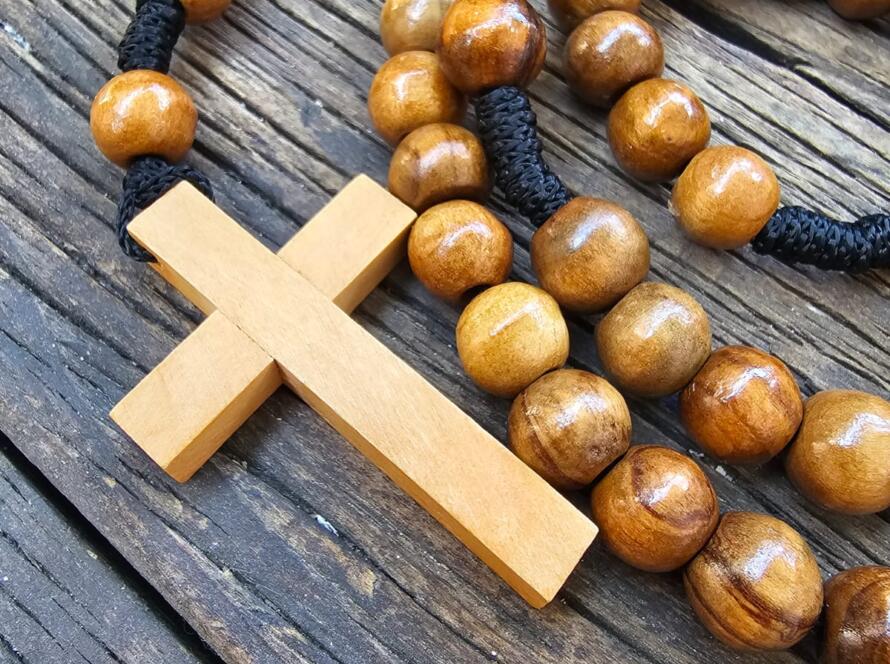
Q15: How does the Cross symbolize reconciliation? A: The physical shape of the Cross is often seen as a symbol of the two directions of reconciliation.
-
The Vertical Beam: Reconciling Man to God.
-
The Horizontal Beam: Reconciling Man to Man. Christian theology holds that you cannot have one without the other. You cannot love God and hate your brother (1 John 4:20). The Cross bridges both dimensions.
Section 4: Difficult Questions and Gray Areas
Q16: Can you reconcile with someone who has died? A: You cannot restore the active relationship, but you can achieve a form of internal reconciliation. This is often done through therapy, prayer, or writing a letter to the deceased. It involves resolving the “unfinished business” emotionally—forgiving them for what they did, or asking God for forgiveness for what you did. Catholics also believe that prayer for the dead (and the communion of saints) allows for a continued spiritual connection where love can still be exchanged.
Q17: Is “forced reconciliation” ever good? A: No. Forced reconciliation (often seen in families who say “just hug and make up” without addressing the issue) usually leads to resentment and further breakdown. It creates “pseudo-peace.” True reconciliation requires the freedom of both parties to enter into the process willingly.
Q18: What role does the Holy Spirit play in reconciliation? A: In Christian theology, reconciliation is considered a supernatural work. The human heart is naturally defensive and vengeful. It takes the Holy Spirit to:
-
Convict the sinner of their wrong (John 16:8).
-
Soften the heart of the victim to forgive.
-
Provide the “fruit of the Spirit” (patience, kindness, self-control) necessary to endure the hard work of rebuilding trust.
Q19: What is the difference between “Peacekeeping” and “Peacemaking”? A: Peacekeeping is the avoidance of conflict. It often prevents reconciliation because it refuses to address the root causes of the problem. It settles for a negative peace (the absence of tension). Peacemaking (which Jesus blesses in the Beatitudes) is the active entering into conflict to resolve it. It seeks positive peace (the presence of justice and right relationship). Peacemaking is the path to true reconciliation; peacekeeping is just a ceasefire.
Q20: How do I reconcile with myself? A: Many people struggle with self-forgiveness. Reconciling with oneself involves:
-
Acknowledging the truth of your actions (no denial).
-
Accepting God’s forgiveness (believing He is the ultimate judge, and if He declares you innocent, you cannot overrule Him).
-
Making restitution where possible.
-
Showing yourself the same compassion you would show a friend. It is the process of reintegrating your “ideal self” with your “real, flawed self.”
Q21: Does reconciliation mean things go back to exactly how they were? A: Rarely. The relationship is often different. It may be stronger (because it has survived a test) or it may have new boundaries.
-
Resurrection, not Resuscitation: Christian reconciliation aims for a “resurrected” relationship (new life), not just resuscitating the old, broken one. The “new normal” might include more honesty and less naivety.
Q22: What is the “Ministry of the Keys”? A: This refers to the authority Jesus gave to the Church (Matthew 16:19, John 20:23) to “bind and loose.” In the context of reconciliation, it is the authority given to priests and the church to declare the forgiveness of sins. It is the mechanism by which the reconciliation won by heaven is applied on earth.
Q23: Why is racial reconciliation so difficult in the church? A: Because it requires addressing not just individual sins, but systemic and historical wounds. It requires the majority culture to listen to the pain of the minority culture without becoming defensive. It requires “lament”—grieving together over the past—before moving to the future. It often fails when people want to jump straight to “unity” without doing the work of “justice” and “truth-telling.”
Q24: Can a marriage survive infidelity without reconciliation? A: No. The marriage might legally continue as a business arrangement or for the kids, but the marriage—the covenant of trust and intimacy—is dead without reconciliation. For the marriage to be alive, the trust must be rebuilt through the reconciliation process.
Q25: What if I want to reconcile but the other person doesn’t? A: This is a place of profound grief. You are called to keep the “door unlocked.” You maintain a posture of forgiveness and openness, so that if they ever choose to return (like the Prodigal Son), they find a welcoming father, not a barrier. However, you cannot drag them through the door. You must respect their agency, just as God respects ours. In the meantime, you seek peace in knowing you have done “as far as it depends on you.”
Q26: Is financial restitution always necessary for reconciliation? A: If the offense involved theft or financial damage, yes. Zacchaeus (Luke 19) demonstrated his repentance by paying back four times what he stole. If you stole money and say “I’m sorry” but keep the money, you are not repentant; you are just polite thieves. Reconciliation requires fixing what can be fixed. If the money is gone and cannot be repaid, a sincere effort or payment plan demonstrates the heart change.
Q27: How does the Eucharist relate to Reconciliation? A: The Eucharist is the Sacrament of Unity. It is the table where the reconciled family gathers.
-
Requirement: We must be reconciled with God (state of grace) and neighbor before eating.
-
Effect: Eating the bread creates unity. St. Augustine said, “Become what you receive.” As we consume Christ, we are bonded to one another. The Eucharist strengthens the bonds of reconciliation and gives us the power to love difficult people.
Q28: What is the “Sign of Peace” at Mass? A: Before Communion, the priest says, “Let us offer each other the sign of peace.” This is a ritual enactment of Matthew 5:23. Before we approach the altar to receive God, we turn to our neighbor and offer peace. It is a mini-moment of horizontal reconciliation that prepares us for the vertical reconciliation of Communion.
Q29: Can nations reconcile? A: Yes, but it takes generations. Examples include Germany and Israel, or the US and Japan. It requires political acknowledgment of guilt (reparations, apologies, monuments to victims) and a commitment to shared values. National reconciliation is fragile but possible through the hard work of diplomacy and truth-telling.
Q30: What is the ultimate reconciliation? A: The Bible points to the “Apokatastasis” or the “Restoration of All Things” (Acts 3:21). Colossians 1:20 says God was pleased to “reconcile to himself all things, whether things on earth or things in heaven.” The ultimate hope of Christianity is that in the end, the fracture of the universe will be healed, heaven and earth will be reunited, and God will be all in all. Every act of reconciliation we do now is a prophetic sign of that future reality.