Key beliefs of christianity
The Pillars of Faith: A Comprehensive Guide to the Key Beliefs of Christianity for Full Digital Exposure
Christianity, the world's largest religion, is a complex and rich system of faith with immense historical and theological depth. Understanding the Key Beliefs of Christianity is essential to grasping Western culture, personal faith, and the…

Today's Catholic Gospel: A Comprehensive Guide to Liturgical Readings, the Annual Cycle, and Their Role in the Believer's Life
The term "Today's Catholic Gospel" refers to the central and most sacred part of the daily or weekly Mass liturgy in the Catholic Church. The reading of the Gospel is considered the climax of the Liturgy…
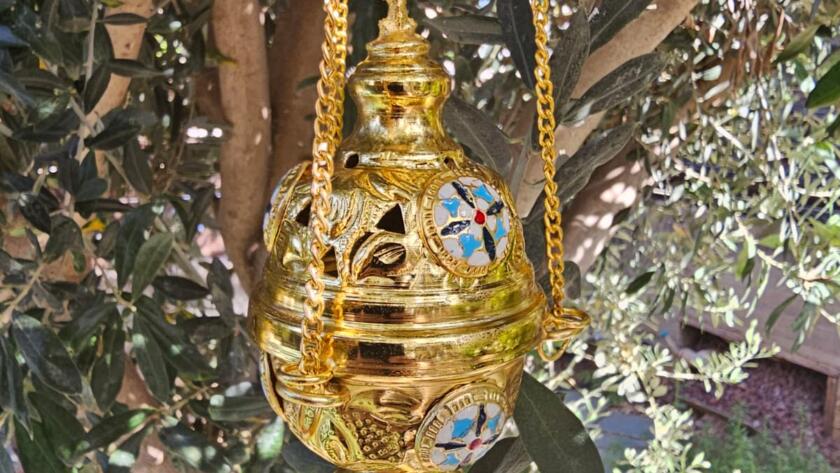
The Censer (Thurible): A Comprehensive Guide to History, Symbolism, and Sacred Smoke
The Censer, also widely known as the Thurible, is one of the oldest and most profound sacred vessels in human history. Far more than just a container for burning incense, it is a mobile altar, a symbol of prayer, and a tangible link…
Palo Santo: The Sacred Wood – A Comprehensive Guide to History, Ritual, Science
Palo Santo (meaning "Holy Wood" in Spanish) is the wood of the Bursera graveolens tree, native to the dry forests of Ecuador, Peru, and other parts of South America. Celebrated for its unique, uplifting aroma, it has been used for centuries in…
Holy Water: A Comprehensive Guide to History, Liturgy, and Modern Use for Full Digital Exposure
Holy Water is a fundamental sacramental in Christianity, especially within the Catholic, Orthodox, and Anglican traditions. It is ordinary water that has been blessed by a priest, bishop, or deacon, consecrating it for sacred purposes. This extensive guide provides an…
Where does the evil eye come from
The phenomenon of the Evil Eye (Greek: Baskania; Latin: Malus Oculus; Arabic: al-ayn al-ḥāsid) is one of the most persistent and widespread beliefs in human history. It is the conviction that a malevolent or envious glare from one person can inflict bad luck, injury, illness, or even death upon…
Copal incense
Copal Incense: A Comprehensive Guide to History, Ritual, Chemistry, and Safe Usage
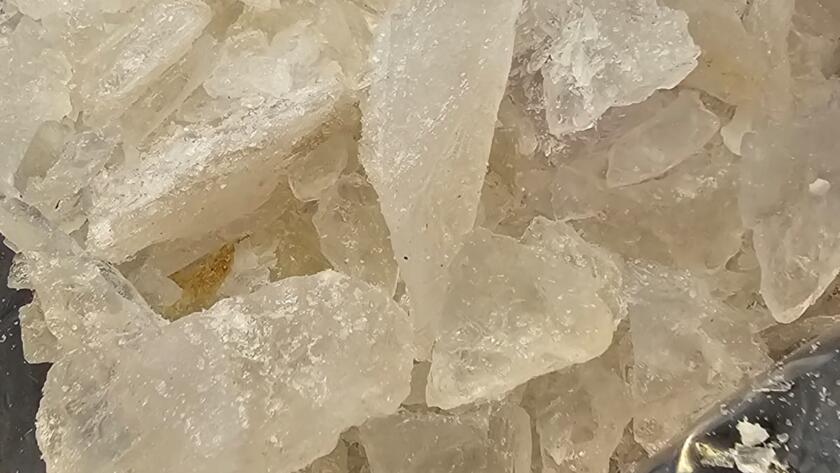
Copal incense is a term used to describe the resin of trees primarily belonging to the Protium and Bursera families, native to Central and South America. Historically, it is one of the most significant ceremonial materials of…
Boswellia Incense
Boswellia Incense: A Comprehensive Guide to Frankincense, Science, History, and Spiritual Uses for Full Digital Exposure
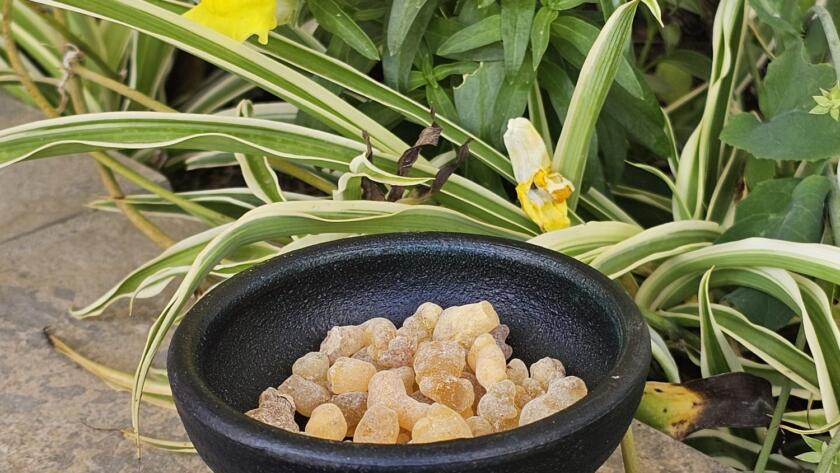
Boswellia Incense, universally known as Frankincense, is one of the most ancient and valuable aromatic materials used by humankind. The fragrant resin, harvested from trees of the genus Boswellia, has been a pillar of religious worship, traditional medicine,…
Resin incense burner
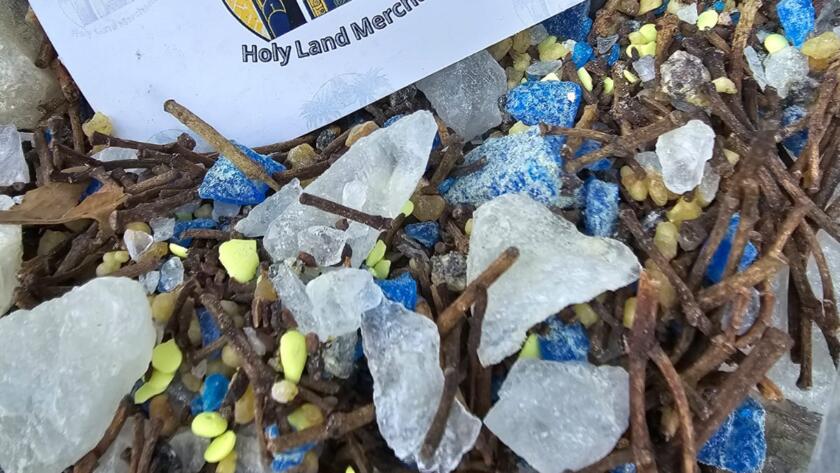
The Resin Incense Burner is the oldest and purest method for burning incense, essential for using natural resins like Frankincense and Myrrh. Unlike stick incense or cones, which contain artificial binders and accelerants, a resin burner allows for a cleaner combustion of purely natural aromatic materials. This topic demands comprehensive and precise coverage…
Orthodox incense burner
📜 Part 1: Nomenclature, History, and Defining Features
Understanding the Orthodox censer begins with its identity and historical roots, which trace back to the Temple in Jerusalem and early Christian practice.
A. Terminology and Distinctions
The device is known by specific names across the Orthodox world:
Censer (Thurible): The standard…
Incense: A Comprehensive Guide to History, Uses, Chemistry, and Health Effects
📜 Part 1: Ancient Origins and Profound Religious Significance
Incense, defined as aromatic biotic material that releases fragrant smoke when burned, has been a core element of spiritual practice and culture for millennia. Its history is inextricably linked to the Holy Land and the ancient…
Hail holy queen prayer
The 54 Hail Holy Queen Prayer Novena
The phrase "54 Hail Holy Queen Prayer" most accurately refers to the 54 Day Rosary Novena, where the "Hail, Holy Queen" (Salve Regina) is prayed daily as the concluding prayer of the Rosary. While there isn't a separate, distinct devotion consisting solely of 54 repetitions…